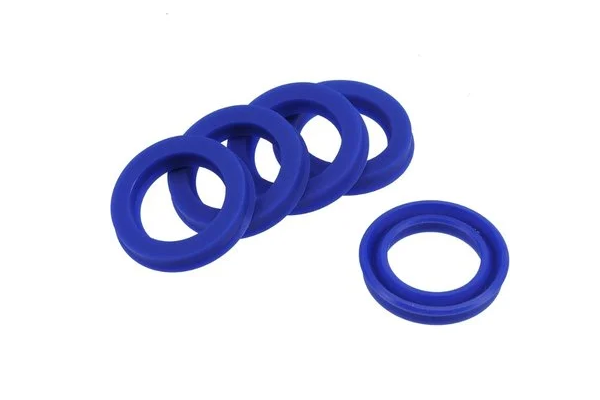
Types of Oil Seals: Complete Guide for Industrial & Automotive Applications
Oil seals, also known as rotary shaft seals or grease seals, play a crucial role in preventing lubricant leakage and protecting machinery from dust, dirt and contaminants. Selecting the right oil seal type ensures maximum efficiency, reduced maintenance and longer equipment lifespan. This guide explains all major types of oil seals used across industries.
1. Single Lip Oil Seals
Single lip oil seals feature one primary sealing lip designed to retain lubrication and prevent leakage on rotating shafts.
Best for:
- General-purpose machinery
- Low-speed shafts
- Automotive applications
They are cost-effective and widely used in standard sealing applications.
2. Double Lip Oil Seals
Double lip oil seals come with an additional dust lip that blocks external contaminants such as dust, dirt and moisture.
Ideal for:
- Outdoor machinery
- Construction & mining equipment
- Agricultural machinery
This type provides stronger sealing and longer wear life in harsh environments.
3. Spring-Loaded Oil Seals
These seals include a garter spring that maintains constant radial pressure on the shaft for superior sealing performance.
Applications:
- High-speed rotary shafts
- Engines & gearboxes
- Pumps & compressors
4. High-Temperature Oil Seals
High-temperature oil seals are manufactured using materials like FKM/Viton, PTFE and Silicone to withstand extreme heat.
Used in:
- Automotive engines
- Industrial furnaces
- Heat processing equipment
5. High-Pressure Oil Seals
Designed to handle hydraulic pressure, these seals offer reinforced construction for stability under extreme load.
Applications:
- Hydraulic pumps
- Compressors
- Heavy-duty industrial machinery
6. PTFE (Teflon) Oil Seals
PTFE oil seals offer excellent chemical resistance, very low friction and long service life, even in harsh environments.
Industries:
- Chemical processing
- Pharmaceutical machinery
- High-speed rotating equipment
7. Metal-Cased Oil Seals
These seals feature a metal outer shell that provides rigidity and durability for demanding industrial applications.
Suitable for:
- High-speed shafts
- Heavy machinery
- High mechanical stress environments
8. Rubber-Cased Oil Seals
Rubber-cased seals have a flexible elastomer outer layer that ensures effective sealing on irregular or rough housings.
Common Uses:
- Automotive systems
- Hydraulic equipment
- General industry machinery
9. Cassette Oil Seals
Cassette oil seals are fully integrated sealing systems with multiple lips and an internal wear sleeve for heavy-duty applications.
Industries:
- Construction equipment
- Agriculture machinery
- Truck axles & off-highway vehicles
10. Split Oil Seals
Split seals come in two pieces, allowing installation without disassembling the equipment. They minimize downtime in large industrial machinery.
Applications:
- Marine shafts
- Large pumps
- Heavy industrial equipment
Oil Seal Materials
Choosing the right material is essential for performance and durability.
- NBR (Nitrile Rubber): General-purpose
- Viton / FKM: High heat & chemical resistance
- Silicone: Extreme temperature flexibility
- PTFE: Chemical & high-speed applications
- EPDM: Steam & weather resistance
- Polyacrylate: Automotive heat resistance
How to Choose the Right Oil Seal
- Operating temperature
- Shaft speed
- Pressure conditions
- Lubricant compatibility
- Environmental exposure
- Material requirements
- Housing & shaft dimensions
Conclusion
Understanding the different types of oil seals helps ensure the correct selection for your application. Whether for automotive, industrial, hydraulic or heavy-duty use, choosing the right seal boosts performance, reduces maintenance costs and extends machinery lifespan.
Need customized or high-performance oil seals? Contact us for expert assistance.

